

How to Remove Moss From a Roof in Seattle, Kent and Tacoma Without Damaging It
To remove moss from a roof without harming it, loosen the moss with low-abrasion methods, sweep or blow it off, then treat the roof to slow regrowth. Fenix Roof Service is a locally and family-owned company. It offers moss removal, moss treatment, roof soft washing and air cleaning across Seattle, Kent and Tacoma, WA. The company serves King, Pierce and Snohomish Counties and offers free estimates and on-site inspections.
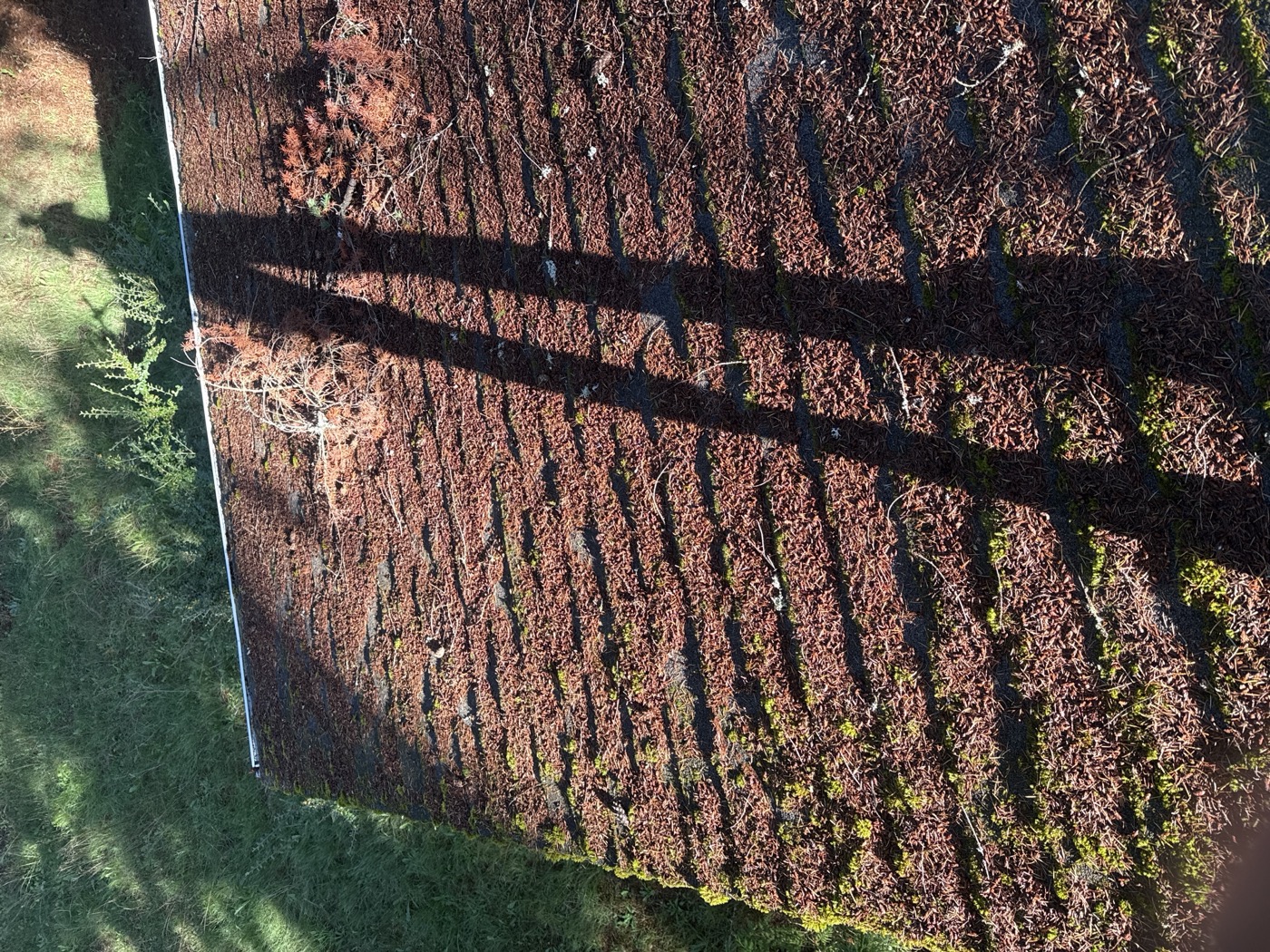
Why Moss Grows on Roof Shingles and Tiles
Moss on a roof tends to start where moisture lingers and sunlight is limited. Shaded slopes, valleys, and areas under overhanging branches are common spots.
Needles, leaves and other tree debris settle on the roof and in the valleys. That debris holds moisture against the surface, which gives moss a place to take hold.
Moss growing on roof shingles is more than a cosmetic problem. Thick clumps can hold water against the roofing and lift shingle edges. Pieces that wash down can also clog gutters and downspouts, so water backs up instead of draining.
Moss, algae and lichen can look alike from the ground. An on-site inspection is the reliable way to know what is on the roof and how far it has spread. Color or appearance alone does not show the condition of the material underneath.
Ways to Get Rid of Moss on a Roof: Methods Compared
The method chosen to clean moss off a roof matters as much as removing it, because some techniques wear the roof faster than the moss would. Fenix Roof Service uses soft washing and air cleaning technology to prolong roof life. The company notes that "air cleaning is the least abrasive of all cleaning methods."
The table below compares common approaches. It shows what each one does well, where it falls short, and which situation fits it. No method suits every roof, so ask which one the contractor plans to use on your material and why.
- Hand scraping or stiff brushing — What it does well: Removes thick clumps in small areas; Limits and risks: Can scuff surfaces and loosen granules if done aggressively; slow on large roofs; Fits this condition: Isolated patches on a sound roof
- Pressure washing — What it does well: Fast on hard surfaces like driveways and patios; Limits and risks: High pressure can force water under roofing and strip surface material; Fits this condition: Concrete and hard surfaces rather than roofs
- Roof soft washing — What it does well: Cleans with low pressure and a cleaning solution; Limits and risks: Runoff must be managed around plants, gutters and downspouts; Fits this condition: Moss, stains and growth spread across the roof surface
- Air cleaning or roof blow-off — What it does well: Moves debris and loose moss with air; least abrasive per Fenix; Limits and risks: Rooted growth may still need treatment; Fits this condition: Needles, leaves and loose moss, especially near trees
- Roof sweeping — What it does well: Clears debris from slopes and valleys by hand; Limits and risks: Labor-intensive on steep or complex roofs; Fits this condition: Debris buildup between tiles and in valleys
- Moss treatment — What it does well: Applied after cleaning to slow regrowth; Limits and risks: Product choice and application vary; ask about label directions; Fits this condition: Follow-up after removal and ongoing maintenance
Step-by-Step Sequence for Roof Moss Removal
Roof moss removal usually follows a set order in general trade practice. Knowing that order helps you judge whether a job was done fully. The steps below describe common practice, not a fixed schedule. Ask any contractor to walk you through their own process.
- Inspect the roof first to identify moss, debris, damaged shingles, and problem areas around vents, boot pipes, flashings and ridge caps.
- Protect the area below, including landscaping, walkways, and gutter outlets where runoff will go.
- Clear loose debris such as needles and leaves with sweeping or air cleaning so the moss is visible and reachable.
- Remove the moss with the least abrasive method that works for the roofing material.
- Clean the gutters and downspouts so the moss and debris washed off the roof do not stay in the drainage system.
- Apply a moss treatment if one is part of the plan, to slow regrowth.
- Review the roof condition afterward and note any components that need repair before the next rainy stretch.
Cleaning Moss Off Roof Tiles, Shingles and Other Materials
Cleaning moss off roof tiles takes a different touch than cleaning composite shingles. Debris collects between tiles and in valleys, and tiles can be harmed by careless foot traffic. One Fenix Roof Service customer with a tile roof described the ongoing work this way: "Fenix has cleaned our roof for us for several years. We have large trees in the yard and lots of needles get between the tiles and in the valleys but they do an excellent job cleaning it all out." — Jim G., Google review, 2024-10-18.
Moss on roof shingles, such as composite or asphalt, calls for care with surface granules. Low-pressure and air-based methods keep wear down. Flat, TPO and metal roofs each have their own surface and drainage details. Fenix installs composite, flat, TPO and metal roofs, so the crew works with those materials directly.
If your roof is cedar, slate or another material, describe it when you call. Ask which removal and treatment method fits that surface before work begins. Fenix Roof Service is rated 4.9 out of 5 on Google (as of 2026-10-02). Its roof cleaning services include roof soft washing, roof sweeping, moss removal and moss treatment, described on the roof cleaning service page.
Roof Treatment for Moss and How to Prevent Regrowth
Roof treatment for moss works with routine maintenance to slow regrowth after the roof is clean. Fenix Roof Service says that after an initial cleaning, "maintenance is key in preventative care of your roof and aids in prolonging the life of the roof."
For timing, Fenix recommends roof cleaning every three to five years, depending on accumulated roof debris. For homes near trees, the company recommends a roof blow-off and gutter cleaning once per year. Fenix also offers annual maintenance and works year-round on treatment, cleaning, repair, and new roof and gutter installation.
Keeping the drainage system clear is part of prevention. Moss and needles that reach the gutters can hold water at the roof edge. Fenix offers rain gutter cleaning and gutter guard installation to help keep debris out of the gutters.
Some homeowners ask about trimming overhanging branches or adding zinc or copper strips near the ridge. Results depend on the roof and the site. Ask the inspector whether either option makes sense for your slope, shade and roofing material.
Moss Removal, Repair or Replacement: A Decision Checklist
Removing moss from a roof sometimes reveals problems the moss was hiding. Decide in advance what you will do if the crew finds damage. Fenix Roof Service technicians keep customers updated on roof condition and are equipped to handle repairs or replacements when needed.
Use this checklist when the inspection results come back:
- Cleaning and treatment only: the roofing is intact, with growth and debris on the surface but no lifted, cracked or missing pieces.
- Cleaning plus spot repair: a few shingles, ridge caps, vents, boot pipes or flashings are worn or loose. See the roof repair options for those components.
- Leak investigation: you have seen stains inside, damp attic areas, or drips. Ask for the leak source to be located before or along with the cleaning.
- Replacement discussion: damage is widespread, or the roofing has reached the point where repairs no longer make sense. Compare options on the roof replacement page.
- Gutter work: gutters are leaking, sagging or overflowing even after cleaning, and need repair or replacement.
What to Compare in a Roof Moss Removal Estimate
Roof moss removal estimates can differ widely in scope, so compare what each one includes, not only the bottom line. No price range is sourced for this page. Fenix Roof Service tailors every estimate to the roof and offers free estimates with an on-site inspection. If you want time to decide, the company will keep your estimate on file.
The factors below change the price and scope. Each one comes with the question to ask the contractor.
- Inspection: Will someone walk or closely inspect the roof, and will I get notes on its condition?
- Debris removal: Is clearing needles and leaves from slopes, valleys and between tiles included?
- Removal method: Will you use soft washing, air cleaning, sweeping or hand work, and why does it fit my roofing material?
- Treatment: Is a moss treatment applied after cleaning, which product is it, and how is runoff handled?
- Gutters and downspouts: Are gutters and downspouts cleaned out after the roof work?
- Hidden damage: How will you report damaged shingles, flashings, vents, boot pipes or ridge caps, and are repairs priced separately?
- Protection and cleanup: How will plants, walkways and siding be protected, and is debris disposal included?
- Excluded items: What is not included, such as skylights, solar panels or areas the crew cannot safely reach?
- Follow-up: What maintenance cadence do you recommend for my roof after the first cleaning?
Preparing for Roof Moss Removal and Mistakes That Cause Rework
Preparing for roof moss removal makes the visit smoother and keeps details from being missed. Fenix Roof Service completes jobs with a project manager working together with an in-house crew. A little homeowner prep still helps.
Before the crew arrives, a few simple steps help:
- Move vehicles, patio furniture, planters and grills away from the eaves and downspouts.
- Tell the crew about fragile plantings, pets, skylights, solar equipment and any known leaks.
- Make sure outdoor water access and gates are clear, if the plan calls for them.
- Note any interior stains or attic damp spots so the inspector can check those areas from above.
- Avoid these rework mistakes: pressure washing a roof surface, scraping hard enough to loosen granules or crack tiles, and cleaning the roof while leaving moss-filled gutters behind.
- Do not skip the follow-up maintenance plan. Without it, regrowth can bring the job back sooner. Walking a wet, mossy roof is slippery, so leave steep or high roofs to a trained crew.
- For other exterior surfaces, Fenix also offers house washing and pressure washing for driveways, decks, patios and concrete. That keeps roof-cleaning methods on the roof and harder-surface methods off it.
Free roof estimate: call (425) 344-8709
On-site inspection, written scope, no obligation.
Frequently asked questions
What is the fastest way to remove moss from a roof?
The fastest way to remove moss from a roof depends on how much growth and debris there is and on the roofing material. Speed should not come before the roof's condition. High-pressure methods can damage roofing. Fenix Roof Service uses soft washing, air cleaning and roof sweeping, then can apply a moss treatment to slow regrowth.
Is it okay to scrape moss off the roof?
Scraping moss off the roof is risky if done aggressively, because hard scraping can scuff shingles, loosen granules or crack tiles. Gentle removal of loose clumps is a different matter. Fenix Roof Service notes that air cleaning is the least abrasive of all cleaning methods, so ask about lower-abrasion options first.
What kills moss on a roof naturally?
No natural moss killer is verified on this page, so no specific product is recommended here. Reducing the conditions moss needs does help: keep needles and leaves off the roof, keep gutters clear, and ask whether trimming overhanging branches suits your site. For homes near trees, Fenix Roof Service recommends a yearly roof blow-off and gutter cleaning.
What do professionals use to kill moss on roofs?
Professionals who remove moss from roofs use cleaning methods and a follow-up treatment, and the exact product varies by company. Fenix Roof Service uses roof soft washing, air cleaning, roof sweeping, moss removal and moss treatment. Ask any contractor which treatment product they apply and how they manage runoff.
How to remove moss from roof without damaging shingles
To remove moss from a roof without damaging shingles, choose low-abrasion methods such as soft washing, air cleaning or sweeping over high-pressure washing or hard scraping. Clear the gutters afterward and inspect the shingles, flashings and ridge caps once the moss is gone. Fenix Roof Service offers free estimates with an on-site inspection; you can request an estimate here.
Tell us what you need
Ready to plan your project? Call Fenix Roof Service at (425) 344-8709 or request an estimate online.
Related services
If you are comparing options, these pages cover the closest topics.
- roof cleaning in Seattle, Kent and Tacoma — soft wash, air cleaning and moss removal
- pressure washing in Seattle, Kent and Tacoma — driveways, patios, decks and siding
- house washing from Fenix Roof Service — siding and exterior cleaning
- driveway pressure cleaning from Fenix Roof Service — concrete and paver cleaning
- our roof cleaning service in Tacoma — soft washing and moss removal
- the full list of Fenix services