

Flat Roof Materials for Seattle, Kent and Tacoma, WA Homes and Buildings
Flat roof materials for homes and buildings in Seattle, Kent and Tacoma, WA include single-ply membranes such as TPO or EPDM, modified bitumen, built-up roofing and liquid coatings. Fenix Roof Service, a family-owned roofer serving King, Pierce and Snohomish Counties, installs flat and TPO roofs and repairs roof leaks. Other membranes are not listed on its site, so ask about them during the free on-site estimate.
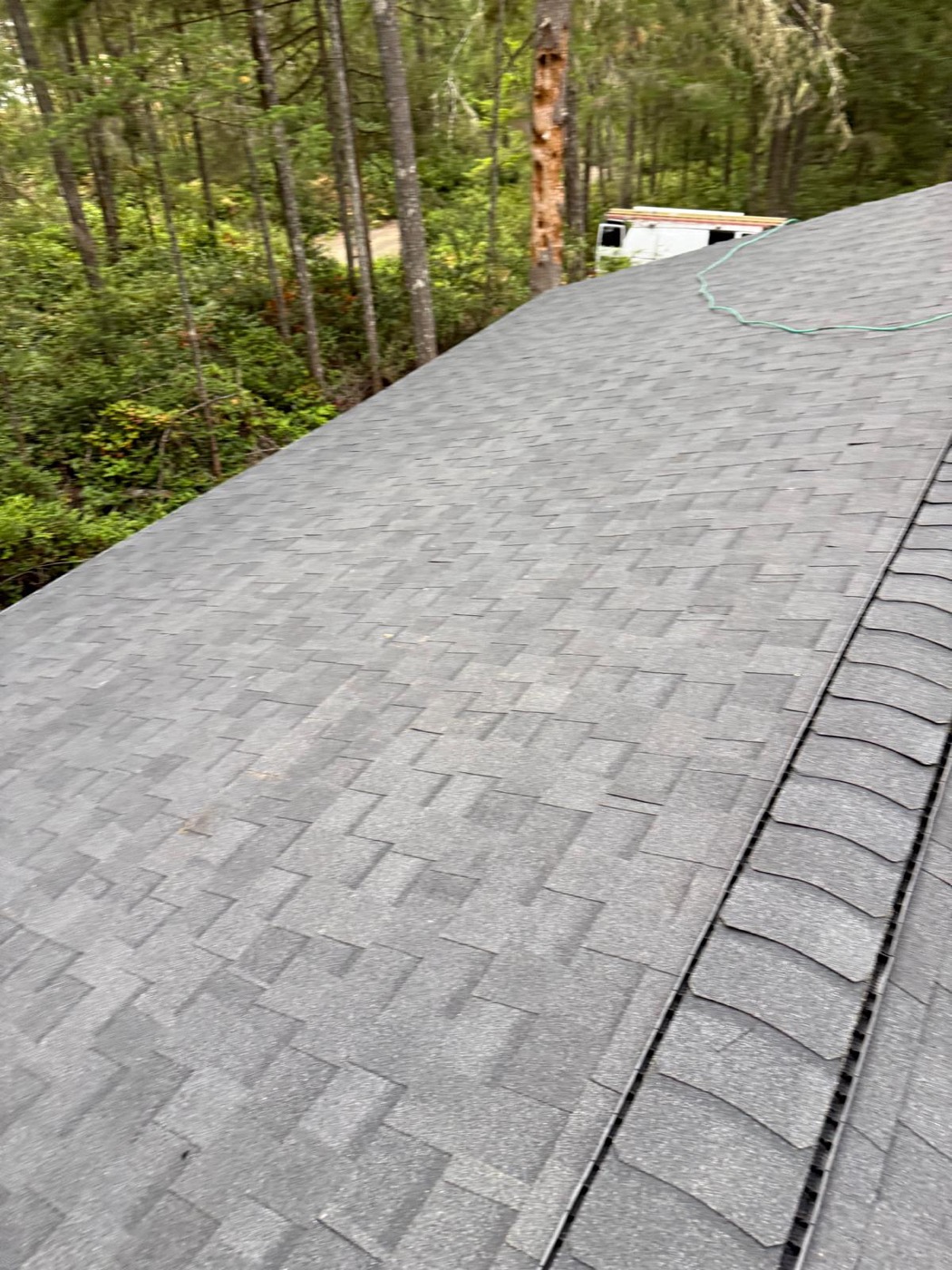
Flat roof materials compared: TPO, EPDM, PVC, modified bitumen and built-up
Flat roof materials fall into a few families, and each one seals a low-slope surface in a different way. Single-ply membranes such as TPO, EPDM and PVC arrive as wide rolled sheets that are fastened or adhered to the roof deck. Their seams are joined by heat welding or by seam tape and adhesive, depending on the product.
Modified bitumen is an asphalt-based sheet applied in layers, either torched, cold-adhered or self-adhered. Built-up roofing stacks alternating plies of felt and bitumen, finished with gravel or a cap sheet. Several layers give redundancy, but they also add weight the structure has to carry.
Liquid-applied coatings are a separate category. A coating is rolled or sprayed over an existing roof surface rather than replacing it, so it suits a dry, sound roof more than a failing one.
The table below summarizes the trade-offs in plain terms. Real performance depends on the specific product, its thickness and the quality of installation, so ask for the product data sheet of any membrane you are quoted. Fenix Roof Service lists flat roof and TPO roof installation among its services; confirm whether the other materials are available before you compare bids.
- TPO (single-ply) — How seams are joined: Heat-welded; Strengths: Light-colored, reflective surface options; welded seams; Limits: Quality varies between brands and thicknesses; edges and penetrations need careful detailing; Upkeep to plan: Keep drains and seams clear of debris; check welds and flashings; Fits when: A full replacement where you want a welded single-ply system
- EPDM (single-ply rubber) — How seams are joined: Seam tape or adhesive; Strengths: Flexible sheet; large sheets mean fewer seams; Limits: Seams depend on tape or adhesive; standard black sheets absorb heat; can be punctured by foot traffic; Upkeep to plan: Check seam edges and flashings; keep sharp objects off the roof; Fits when: Simple roof shapes with few penetrations
- PVC (single-ply) — How seams are joined: Heat-welded; Strengths: Welded seams; manufacturers market resistance to many chemicals and greases; Limits: Availability and pricing vary by supplier; confirm it is offered; Upkeep to plan: Inspect welds, flashings and drains; Fits when: Roofs exposed to vents or exhaust that carry grease or chemicals
- Modified bitumen — How seams are joined: Torched, cold-applied or self-adhered laps; Strengths: Multi-layer sheet with a tough surface for walking; Limits: Torch application needs care near combustible materials; more laps to inspect; Upkeep to plan: Check laps, granule surface and flashings; Fits when: Roofs with regular foot traffic or rooftop equipment
- Built-up roofing (BUR) — How seams are joined: Hot- or cold-applied plies; Strengths: Several redundant layers; Limits: Adds weight; confirm the structure carries it; Upkeep to plan: Watch for blisters and displaced gravel; Fits when: Larger roofs where the structure is rated for the load
- Liquid coating — How seams are joined: Seamless film over the old roof; Strengths: Can extend a sound roof without tear-off; Limits: Does not fix wet insulation or a damaged deck; Upkeep to plan: Recoat on the schedule the product specifies; Fits when: The existing roof is dry and structurally sound
How to choose a flat roof material for your building
Choosing a flat roof material starts with the building rather than the brochure, and a short decision checklist keeps the choice grounded. Work through these points with your roofer on site before you settle on a product.
Composite shingles, which Fenix also installs, are made for pitched roofs. A low-slope or flat section needs a membrane or another low-slope system, and each manufacturer states the slopes its product is designed for. If recycled content or a reflective "cool roof" surface matters to you, ask for the product data sheet so you can compare documented specifications instead of marketing language.
- Roof shape: how many corners, curbs, skylights and walls the membrane has to turn around.
- Penetrations: count the vents, boot pipes and equipment stands, because each one needs its own flashing detail.
- Foot traffic: will people walk on the roof to service equipment or reach a deck?
- Existing layers: whether the old roof must be torn off or a coating over the sound surface is an option.
- Drainage: where water sits after rain, and whether drains, scuppers or gutters carry it away.
- Transitions: where the flat section meets a pitched roof or a wall, since these joints decide how the job is detailed.
- Structure: whether the deck and framing can carry a heavier multi-layer system.
- Surface color: whether you want a light, reflective membrane or a darker one.
Repairing vs replacing a flat roof
Flat roof repair makes sense when the damage is local and the rest of the membrane is sound; replacement makes sense when the problems are spread across the roof or have reached the deck. Leaks on low-slope roofs are often traced to seams, flashings, drains and penetrations, so those are the first places a roofer checks.
Fenix Roof Service handles roof leak repairs and roof system repairs on vents, boot pipes, flashings and ridge caps, and its technicians keep customers updated on roof condition and can handle repairs or replacements when needed. For the general logic of tracing water to its source, see the guide on how to repair a leaking roof.
Use the table as a starting point, then let an on-site inspection settle the question. A stain on a ceiling does not tell you on its own which option fits; the condition of the membrane and the deck does.
- Open seam or lap — Repair is a fit when: One or a few seams have lifted and the sheet around them is sound; Replacement is a fit when: Seams are failing across much of the roof
- Flashing at a vent, pipe or wall — Repair is a fit when: The leak is at one penetration or one wall joint; Replacement is a fit when: Flashings fail at many points because the membrane is aging
- Puncture or tear — Repair is a fit when: Damage is small and isolated; Replacement is a fit when: Repeated punctures show the surface is worn or brittle
- Ponding near a drain — Repair is a fit when: A clogged or damaged drain is the cause; Replacement is a fit when: The deck has sagged and water sits across large areas
- Soft deck or wet insulation — Repair is a fit when: Wet area is small and can be cut out and replaced; Replacement is a fit when: Moisture has spread under much of the roof
Flat roof replacement, step by step
Flat roof replacement follows a sequence that is common trade practice, and knowing the order helps you understand an estimate and plan around the work. The exact steps depend on the material chosen and what is found once the old roof comes off.
Fenix Roof Service completes jobs with a project manager working together with an in-house crew, so ask who your contact will be at each stage. More on planning a full project is on the roof replacement page, and Pierce County owners can read about roof replacement in Tacoma, WA.
- On-site inspection of the membrane, flashings, drains and the deck below.
- Lock the decisions before tear-off: drain and scupper locations, how walls and pitched-roof transitions are flashed, insulation, and how each vent and pipe will be detailed.
- Protect the property and stage materials and disposal.
- Tear off the old roof layers.
- Inspect and repair the deck where damage is found.
- Install insulation or a cover board if the system calls for it.
- Install the membrane and join the seams by the method the product requires.
- Flash walls, curbs, skylights, vents and boot pipes.
- Fit edge metal and connect drainage to gutters or downspouts.
- Clean up the site and walk the finished roof.
What to compare in a flat roof estimate
Flat roof estimates in Seattle, Kent and Tacoma are easier to compare when every bid describes the same scope in writing. No price range is sourced on this page, so the useful comparison is line by line: what each contractor includes, what is left out and how surprises are handled.
Fenix offers free estimates and on-site inspections, tailors each estimate to the roof, and keeps it on file if you need time to decide. You can request an estimate and use the checklist below to compare it with others.
Price changes with several factors. For each one, ask a direct question: How many existing layers are being removed? How is deck damage priced if it is found? Which membrane brand and thickness is quoted? How many penetrations and walls need flashing? What happens to drainage and gutters?
- Site prep and protection of landscaping, siding and entries.
- Tear-off: how many layers, and disposal of the debris.
- Hidden-damage repairs: how deck or insulation damage is found, documented and priced.
- Insulation or cover board, if included.
- Membrane: brand, product name, thickness and color.
- Seam method: heat-welded, taped or adhered.
- Flashing at walls, curbs, skylights, vents and boot pipes.
- Drainage: drains, scuppers, gutters and downspouts.
- Edge metal and trim.
- Cleanup and final walk-through.
- Excluded items stated in writing.
Flat roof mistakes that cause rework
Flat roof rework usually traces back to decisions made too late or details skipped during installation, whatever material is chosen. Avoiding these mistakes protects the investment more than any single product choice.
- Coating over a wet roof: a liquid coating does not dry out insulation trapped underneath.
- Patching the stain instead of the source: water travels under a membrane before it shows inside.
- Leaving drainage unplanned: a new membrane over a sagging deck or blocked drain still holds water.
- Reusing old flashings at walls and penetrations when the membrane is new.
- Mixing incompatible products: some membranes and sealants are not meant to be used together, so follow the manufacturer's instructions.
- Letting debris pile up: needles and leaves around drains and seams hold moisture against the roof.
- Walking on a single-ply roof without care: dropped tools and heavy traffic can puncture the sheet.
Preparing for flat roof work and maintaining the roof afterward
Preparing a home or building for flat roof work is mostly about access, protection and clear communication with the crew. A few steps before the start date make the project smoother.
Maintaining a flat roof after installation keeps drains and seams clear and catches small problems early. Fenix Roof Service recommends maintenance after an initial cleaning to help prolong roof life, roof cleaning every three to five years depending on accumulated debris, and a roof blow-off and gutter cleaning once per year for homes near trees. The company also notes that air cleaning is the least abrasive of all cleaning methods; details are on the roof cleaning page.
- Clear driveways and parking so materials and disposal can be staged.
- Move vehicles, patio furniture and planters away from the roof edges.
- Take down fragile items from walls and shelves under the roof area.
- Tell the project manager about skylights, rooftop equipment or known leak spots.
- Arrange access for any tenants or neighbors affected by the work.
- After the job, keep drains, scuppers and gutters clear and check flashings after storms.
Free roof estimate: call (425) 344-8709
On-site inspection, written scope, no obligation.
Frequently asked questions
What are the three types of flat roofs?
Flat roofs are commonly grouped into three types: built-up roofing made of layered felt and bitumen, modified bitumen sheets, and single-ply membranes such as TPO, EPDM and PVC. Liquid coatings are often added to the discussion, but they cover an existing roof rather than forming a new one.
What are the downsides of EPDM roofing?
The downsides of EPDM roofing come mainly from its seams and surface: seams are joined with tape or adhesive rather than welded, the rubber can be punctured by foot traffic or dropped tools, and standard black sheets absorb heat. Fenix Roof Service lists flat and TPO roof installation, so ask during the estimate whether EPDM is available.
What is the cheapest material for a flat roof?
The cheapest material for a flat roof cannot be named from a sourced price on this page, because installed cost depends on tear-off, deck repairs, membrane thickness, flashing details and drainage. Compare written estimates line by line; Fenix Roof Service offers free estimates and on-site inspections.
How much would it cost to fix a flat roof?
The cost to fix a flat roof depends on where the leak starts, how far water has spread and whether the deck or insulation is damaged; no price range is sourced here. Fenix Roof Service repairs roof leaks and inspects each roof on site before giving a free estimate.
Is it better to repair or replace a flat roof?
Repairing a flat roof fits when damage is local, such as one open seam or a failed flashing, and the rest of the membrane is sound. Replacing a flat roof fits when seams and flashings fail across the roof or moisture has spread into the deck. An on-site inspection settles which applies.
Tell us what you need
Ready to plan your project? Call Fenix Roof Service at (425) 344-8709 or request an estimate online.
Related services
If you are comparing options, these pages cover the closest topics.
- our metal roofers service — metal roofing for local homes
- our metal roof installation service in Tacoma — planning, estimates and what to expect
- our metal vs shingle comparison — which one fits your home
- more on minimum slope for a metal roof — a panel-by-panel guide
- roof installation for Kent homes — composite, flat, TPO and metal roofs
- see every Fenix Roof Service page